Epilepsy Dating Community

Finding love with epilepsy, on your own terms

Epilepsy does not diminish your worth, attractiveness, or ability to build a meaningful relationship. The right partner will not walk away - they will listen, learn, and stay. This is a calm, verified space to date with a disability at your own pace, with people who read the seizure plan before they read the menu.

  • Seizure-aware
  • Verified
  • Unhurried
  • No pity
Couple with epilepsy sharing tea at a quiet sunlit cafe - finding love with a disability in a calm environment
Told well, told once

The Why + What + How disclosure framework

Therapist Abby Feinstein's three-part framework turns disclosure from a confession into a collaboration. Most first-date fear about telling a new person you have epilepsy is really fear of doing it badly. A short, structured line takes the weight off the moment. You are not asking for permission to be dateable. You are giving someone the information they need to show up for you.

1

Why - name your reason

Open with the purpose, not the diagnosis. "I'm sharing this because I want both of us to feel safe and comfortable." That single sentence reframes the whole conversation as mutual care rather than a warning label.

2

What - state it plainly

"I have epilepsy, which means I sometimes have seizures." No euphemisms, no apology, no medical deep-dive. Clear language reads as confidence. A person who reacts to the plain sentence was unlikely to stay through the complicated one.

3

How - invite collaboration

"If a seizure happens, here's what helps - and here's what doesn't." You hand over a short, practical plan. Their job is to listen, not to rescue. Most partners relax visibly the moment they have something concrete to do.

For a deeper walk through timing, tone, and what to do when a disclosure does not land well, our inclusive dating advice guide covers the longer conversation. The short version: disclose when the relationship starts to matter, which is usually earlier than fear says and later than anxiety insists.

Turning fear into a handout

Your seizure plan is an empowerment tool

A short explanation of what your seizures look like and how others should respond eases anxiety for both of you. When a partner knows what to expect, they feel prepared instead of afraid - and preparation is the quiet foundation under most good relationships. The seizure plan is not a disclaimer. It is a document of your own expertise in your own body, written down so a person who cares about you does not have to guess.

"When a partner knows what to expect, they feel prepared instead of afraid, allowing both people to relax and focus on connection." - Principle from epilepsy dating guidance, AbiliMatch

What a good seizure plan fits on one page

  • What my seizures usually look like - focal, tonic-clonic, absence; how long they typically last; any aura or warning signs.
  • What helps in the moment - clear the area, ease me onto my side, time the seizure, stay with me, speak calmly.
  • What does not help - putting anything in my mouth, holding me down, panicking, posting about it.
  • When to call 911 - if a seizure lasts longer than five minutes, if another starts immediately after, or if I am injured or not breathing.
  • My recovery preferences - quiet space, a glass of water, a blanket, no crowd, one trusted person I would like called.

Some members share the plan as a pinned note in the chat before a first in-person date. Others wait until the third or fourth meeting. There is no single right moment - the right moment is whenever your body would relax if the plan were already in your partner's phone. A supportive partner receives it gratefully. An unsuitable one tells you quickly and saves you both time.

Dates that feel romantic, not restrictive

Calm date environments that feel romantic

Flashing lights, loud venues, late nights, and heavy drinking are common seizure triggers. None of them are romantic prerequisites. The most memorable dates in our community are almost always quiet ones - and the science agrees: novelty plus conversation plus low sensory load is where real connection forms.

Quiet cafés at off-hours

Mid-morning or mid-afternoon weekday visits have the best lighting, the lowest volume, and almost always a table by the window. Two hours of conversation beats two hours of shouting over bass lines.

Outdoor walks and gardens

Botanical gardens, lake paths, arboretums, easy park loops. Natural light, gentle stimulation, and a setting that lets silence feel comfortable rather than awkward. Easy to shorten if you need to.

Early dinners, unhurried

A 5:30 or 6pm reservation lands you before the noise and lets you be home by a sensible hour. Calm lighting, real conversation, and a full night's sleep afterward - one of the most underrated trigger-management tools there is.

Low-key indoor activities

Bookshop browsing, a small gallery, a pottery class, cooking dinner together at home. Predictable lighting, plenty of pauses, and activities where nobody feels rushed.

None of this is a limitation list. It is a preference list - the kind that gets respected on a dating site where most members are already opting out of swipe-fatigue, loud venues, and midnight bar culture for their own reasons. Many of the PTSD community and autism community members prefer these same environments, which is why mood tags like Quiet, Early-bird, and Sober-friendly are some of the most searched filters on the platform.

The everyday logistics

Trigger and medication awareness in relationships

A real relationship with epilepsy lives in small, steady habits rather than dramatic moments. Sleep deprivation is the most under-recognized trigger in adult epilepsy - consistent bedtimes are not a romance killer, they are seizure prevention. Alcohol, in more than light amounts, interacts with most anti-seizure medications. Missed doses, even by a few hours, raise risk. A supportive partner does not "remind" you like a parent; they build a life alongside yours that respects those rhythms, the same way a partner of a person with diabetes respects mealtimes without making it a topic.

Contraception and epilepsy medication - worth knowing early

Several commonly prescribed anti-seizure medications (including older enzyme-inducing drugs) reduce the effectiveness of the combined contraceptive pill and some other hormonal methods. Condoms are often recommended as a backup. Healthtalk directs people with epilepsy to sexual health resources and their "Contraception, fertility and pregnancy" guidance for current advice. If intimacy is on the horizon, a conversation with a prescribing neurologist or a sexual health clinic is the single highest-value thing either partner can do.


Woman with epilepsy at home checking her medication reminder, calm and self-assured - finding love with a disability

Common epilepsy triggers worth being honest about

Trigger Why it matters What helps in a relationship
Sleep deprivation The single most common adult seizure trigger. Two nights of short sleep can compound risk. Partner who respects a 10:30pm bedtime on weeknights without commentary.
Missed medication doses Blood-level dips raise seizure risk significantly within hours. Medication as part of a shared evening rhythm - not nagged about, just known.
Alcohol Interacts with most anti-seizure drugs and lowers the seizure threshold on its own. Dates where sobriety is normal, not remarkable. Mocktails, tea, early mornings.
Flashing or strobing light Affects roughly 3% of people with epilepsy (photosensitive epilepsy) but is real when it applies. No surprise concerts, clubs with strobes, or certain video games without a heads-up.
Acute stress Chronic stress is linked to higher seizure frequency in many adults. A relationship that is, on balance, a place of rest - not a place of escalation.

Every person's trigger profile is different, which is why the conversation matters more than a checklist. The pattern our members describe over and over is the same: the partner who asks, "What is your sleep like this week?" and adjusts the plan is the partner who stays.

The loop you can name and break

Breaking the anxiety loop around disclosure

Most people with epilepsy who struggle with dating are not struggling with the condition itself. They are struggling with the anxiety loop built around it by years of small, specific experiences: a friend who panicked, a partner who pulled away, a stranger who reacted to the word seizure as if it were contagious. The condition is not the barrier. Misunderstanding is. And misunderstanding is something you can prepare for.

Four patterns come up most often in our community, and naming them tends to loosen their grip:

  1. Fear of disclosure rooted in past rejection

    One bad reaction becomes the rehearsal script for every future conversation. The fix is not optimism, it is evidence - small, repeated experiences of telling new people calmly and watching most of them respond well. Our confidence and self-acceptance guide covers the slow rebuild in more depth.

  2. "What if I have a seizure on the date?"

    A supportive partner with your plan in hand can handle a seizure. You know this because part of you has handled worse. The fear is not of the seizure, it is of being seen mid-seizure by someone you wanted to impress. Naming it out loud, sometimes even with the new person, shrinks it fast.

  3. Social panic around the word "seizure"

    Some of this you can pre-empt by teaching language. "Focal seizure" and "tonic-clonic" land differently than the single scary word. Plain description - "my body stiffens for about a minute, then I am tired for an hour" - is almost always more reassuring than silence.

  4. Lifestyle pace partners may not understand

    Early bedtimes, limited alcohol, calmer environments - a partner who reads these as romance limitations rather than love language is a partner who will eventually ask you to override your own neurology. Those conversations are best had in month one, not month nine.

The loop breaks the same way for most members: disclose earlier than fear prefers, keep the plan visible, and let a few real conversations replace a hundred imagined ones. Connected topics worth reading next include the PTSD dating community, since trauma and epilepsy anxiety often overlap, and the bipolar dating community, where disclosure-without-stigma is a shared and well-developed craft.

Featured members

Members living and loving with epilepsy

A few of the adults currently on easy dating who have epilepsy somewhere in their story. Real members, illustrative photos.

Maya, a community member with epilepsy, smiling softly by a sunlit kitchen window

Maya, 32

Focal epilepsy · Austin, TX

Pediatric nurse, keen baker, ten years seizure-aware. Looking for an early-bird who reads actual books.

  • Calm
  • Direct
  • Early-bird
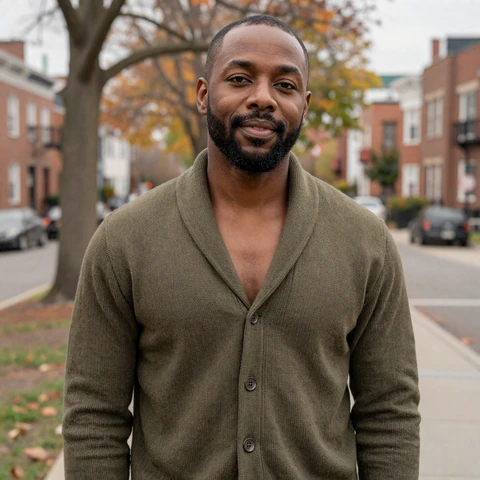
Jordan, a community member with tonic-clonic epilepsy, standing in a neighborhood park

Jordan, 38

Tonic-clonic epilepsy · Portland, OR

Graphic designer, dog dad, diagnosed at 22. Partner to one for seven years - now starting again after a divorce.

  • Patient
  • Warm
  • Maker
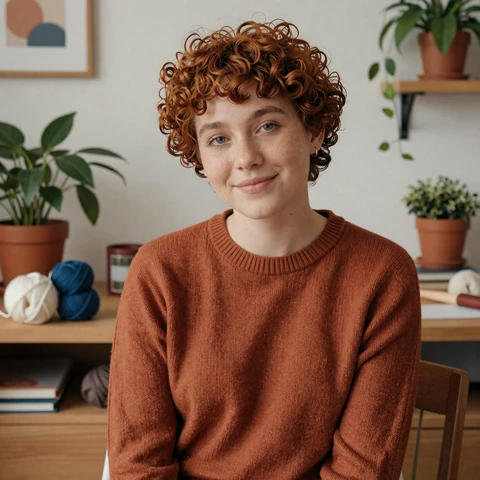
Sol, a nonbinary community member with photosensitive epilepsy, in a cozy home craft studio

Sol, 27

Photosensitive epilepsy · Philadelphia, PA

Weaver, part-time librarian, mostly introvert. Looking for quiet Sundays and a partner who will skip the club for a bookshop.

  • Creative
  • Quiet
  • Sober-friendly

Read longer success stories from members finding love with a disability →

Questions & answers

Epilepsy dating questions

The questions we hear most from members joining an epilepsy-aware dating community for the first time.

  • How do I tell a date I have epilepsy?

    AbiliMatch suggests a calm, grounded line: "I have epilepsy and I manage it well. I can explain what to do if a seizure ever happens." It shows confidence rather than fear and keeps the tone matter-of-fact. Pair it with therapist Abby Feinstein's Why + What + How framework - explain why you're sharing, state what epilepsy is for you, and offer how a partner can help. Disclosure lands best when it sounds like information, not a warning.

  • When should I disclose my epilepsy when dating?

    Disclose when the relationship starts to matter - usually once you're planning a second or third date, and certainly before any first in-person meeting where a seizure could realistically happen. Earlier than fear prefers, later than anxiety insists. A short message ahead of an in-person date gives both of you time to prepare calmly, and it filters out incompatible reactions before you invest emotional energy.

  • What should a partner do if I have a seizure on a date?

    The short version fits on a sticky note: clear the area, gently ease you onto your side, time the seizure, stay with you, and speak calmly. Do not put anything in your mouth, do not hold you down, do not panic. Call 911 only if a seizure lasts longer than five minutes, if another starts immediately after, or if you are injured or not breathing. A written one-page seizure plan, shared before the date, does this work in advance.

  • Is dating with a disability like epilepsy actually realistic?

    Yes. Finding love with a disability - including epilepsy - is common, ordinary, and sustainable when the partner understands the condition. The lived experience of our community is clear: the barrier is rarely the seizures themselves but partner misunderstanding. A dating site built around disclosure, verified members, and calmer dating rhythms takes most of that misunderstanding off the table before the first message is sent.

  • Can epilepsy medication affect contraception?

    Yes. Several commonly prescribed anti-seizure medications - particularly older enzyme-inducing drugs - reduce the effectiveness of the combined contraceptive pill and some other hormonal methods. Condoms are often recommended as a backup. Healthtalk directs people with epilepsy to sexual health resources and their "Contraception, fertility and pregnancy" guidance. If intimacy is approaching, a conversation with a prescribing neurologist or sexual health clinic is strongly advised.

  • What kind of dates work best when you have epilepsy?

    Calm environments - quiet cafés at off-hours, outdoor walks, botanical gardens, early dinners, bookshops, home-cooked meals, small galleries. Avoid strobing lights, loud venues, late nights, and heavy drinking when seizure triggers are a factor. The result is usually more memorable dates, not fewer; a supportive partner reads the preference list as care, not restriction.

  • Is easy dating free for members with epilepsy?

    Yes. Profile creation, browsing, messaging, verification, and all safety tools are free forever with no credit card required. Optional premium verification badges exist for members who want an extra trust signal, but they are not needed to meet anyone. Full pricing transparency lives on our FAQ page.

Join Free and Build Your Profile

A seizure-aware, unhurried community that meets you where you are - and stays.

Free forever · No credit card · Delete your account anytime