Leads with your height
First message mentions inches, feet, or how "unique" you are. A person interested in you asks about your day, your work, your weekend plans. A fetishizer asks about your measurements.
A dating site for little people and adults with dwarfism who are tired of being noticed for their height before anyone bothers to learn their name. Free forever, verified profiles, and a community that already knows the difference between interest and curiosity. Whether you live with achondroplasia, diastrophic dysplasia, spondyloepiphyseal dysplasia, or another form of dwarfism, this room is for you.
Dating platforms for little people have existed for more than two decades, and the reason they keep getting built is simple: mainstream apps do not know what to do with you. Little People Match launched in 2004. Date A Little has been running since 2003. Little People Meet, operated by People Media, has been online since 2000. A British site called Dwarf Dating joined the field in 2013. The niche exists because the need is real - globally, roughly 651,700 people have a form of dwarfism, including more than 30,000 Americans, and the condition affects about 1 in every 25,000 live births. That is a sizable community, historically underserved by the swipe-first apps that treat every user as interchangeable.
easy dating is not trying to replace those legacy platforms. It is trying to be the room you join when you want something slower, quieter, and built around person-first respect from the first screen. Members with achondroplasia, pseudoachondroplasia, diastrophic dysplasia, spondyloepiphyseal dysplasia, hypochondroplasia, and other skeletal dysplasias all share the space. Average-height allies who have done the reading are welcome. Partners of members are welcome. Nobody has to explain their medical chart to be taken seriously.
"Dwarfism is a recognized medical and genetic condition, not just a word for being short. When platforms forget that, the confusion does not stay online - it walks into every conversation that follows." - From our February 2026 community guidance
We use the language the community uses: little person, person with dwarfism, LP. We avoid dwarf as a noun and anything that leans on outdated or fairytale framing. If your own preference differs - some members self-identify differently, and that is entirely yours to choose - your profile can carry whichever term feels true. Internal links worth knowing about as you browse: the About page explains who built this and why, and the safety and privacy page spells out exactly how we moderate.
Most dating advice assumes the hardest part is getting matches. For little people, the hardest part is often what happens after the match - the shift from attention to curiosity, the questions that start with "can I ask" and end somewhere uncomfortable, the slow draining realization that a person was interested in the idea of you, not the reality of you.
People with dwarfism are routinely noticed for their body or height before their personality. Research and community writing call this being seen but not known. The experience compounds. Over years, it can erode confidence and teach you to brace before every first message. That bracing is not a flaw. It is a rational, protective response to a world that has not always earned your trust. Our confidence and self-acceptance guide walks through rebuilding dateable self-esteem from exactly this starting point.
Disclosure timing can feel paradoxical. Share too early and it becomes the entire first conversation. Wait too long and the stress climbs. There is no single right answer, and anyone who tells you otherwise is selling something. Most of our members settle somewhere around the second or third exchange - enough time to be seen as a person, early enough that the other person is not blindsided. The inclusive dating advice guide covers disclosure pacing in more depth.
There is a word for attraction specifically to very short people: anasteemaphilia. Some platforms pretend it does not exist. We name it, and we moderate around it. The goal is to filter fetishizers out of your inbox while leaving every kind of genuine partner in.
First message mentions inches, feet, or how "unique" you are. A person interested in you asks about your day, your work, your weekend plans. A fetishizer asks about your measurements.
Requests for full-body shots, shots from specific angles, or "just one more picture" before any real exchange has happened. Genuine interest is patient with getting to know you as a person first.
Mentions of past little-person partners in a tone that sounds like a list. Asks questions that feel clinical rather than curious. Treats dwarfism as a hobby category rather than part of a whole human life.
Urges a first meeting before the conversation has earned it. Real partners respect pacing. Fetishizers want access. Our online dating safety guide covers pressure as a red flag in depth.
Asks about sex before asking about Sunday afternoons. Uses language from fetish spaces early. Frames your dwarfism as what they are into rather than part of who you are. Report and block - both tools are free.
Calls you cute, tiny, or doll-like in ways that erase adulthood. Uses nicknames drawn from children's stories. A partner who respects you speaks to you the way they would speak to any other adult they were falling for.
Video or photo verification on every active profile. A moderation team trained on disability-specific red flags, including anasteemaphilia. One-tap reporting with real human review - not an automated loop. Block lists that are final. A policy that treats any fetish-framed behavior as a terms-of-service violation, not a disagreement. Trust your instincts, use the tools, and let the platform carry the weight. You are not imagining it, and you are not overreacting.
One of the most freeing ideas we have borrowed from the disability dating community is this: success is not only "did this turn into a relationship." Special Bridge put it well - success can also be practicing honest disclosure, catching a red flag early, having one good conversation, making a friend who finally understands your experience, or simply learning what pace actually suits you.
Community is why many little people migrate away from mainstream apps in the first place. Little People Meet built pen-pal and friendship features alongside dating. AbiliMatch added group chat rooms and voice chat. The pattern is clear across two decades of niche platforms: this community wants a room, not just a queue of matches. easy dating is built on the same assumption - a dating site that behaves more like a community center than a slot machine.
If you are curious about the longer arc, our real stories of inclusive love collects first-person accounts from couples who met on platforms like this one, including little-person and interabled pairings.
Two short quotes from members who found each other at an unhurried pace. Names changed, photos illustrative.
Every dating app before this one made me feel like an exhibit. On easy dating, the first guy who messaged me asked what I was reading. We talked about books for three weeks before we even traded a full-length photo. We are coming up on our first anniversary in June.
I was ready to quit dating entirely. I am in my fifties, I have SED, and I had heard every line. A friend told me to try a smaller platform. I met Daniel on a Sunday. He is average height, he is a retired teacher, and he has never once treated my body like a topic.
Read longer success stories from the easy dating community →
A few of the little people currently active on easy dating, in their own short lines. Real members, illustrative photos.
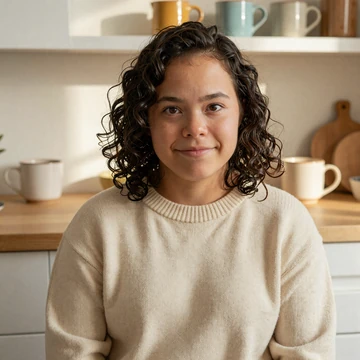
Achondroplasia · Portland, OR
Ceramicist and Saturday hiker. Looking for someone who reads the whole profile and asks about the pottery, not the height.
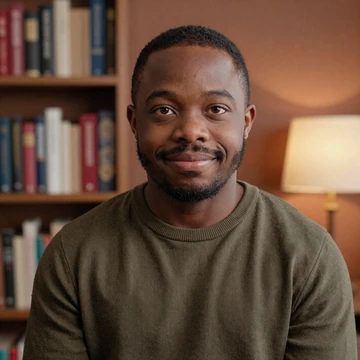
Achondroplasia · Atlanta, GA
High school history teacher, weekend jazz listener, long-form thinker. Divorced once, open to a slow second act.
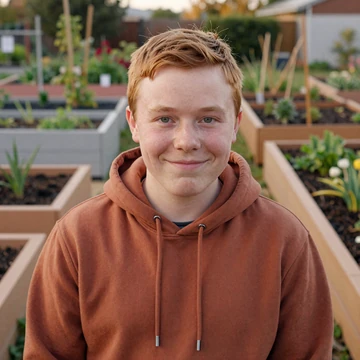
Diastrophic dysplasia · Minneapolis, MN
Nonbinary, she/they. Graphic designer, community garden organizer, avid reader of sci-fi. Here for something gentle.
Accessible date planning, disclosure tips, and a room built around wheelchair users and their partners.
Confidence after limb loss, anti-devotee moderation, and conversations that are not about your prosthetic.
The asexuality myth, the "saint" framing, and the assumptions that make dating with any disability harder than it needs to be.
The questions we hear most from little people joining a dedicated dating site for the first time.
The little-people dating niche has had dedicated sites for over two decades, including Little People Meet (operating since 2000), Date A Little (2003), Little People Match (2004), and Dwarf Dating in the UK (2013). easy dating is a newer, broader inclusive platform with a moderated space for little people and adults with dwarfism. The "best" site depends on what you want: a niche-only room, or a wider disability-positive community with verified profiles and active anti-fetish moderation. Many members belong to more than one platform.
Yes. Profile creation, browsing, messaging, verification, and all safety and reporting tools are free forever, with no credit card required. Optional premium verification badges exist for members who want an extra trust signal, but they are not needed to meet anyone. Full pricing transparency lives on our FAQ page.
Three layers. Video or photo verification on active profiles to cut scam and fake accounts. A moderation team trained on anasteemaphilia and disability-specific red flags - such as leading with height, pushing for full-body photos, or treating dwarfism as a collection hobby. One-tap reporting with real human review, final block lists, and a terms of service that treats fetish-framed behavior as a violation rather than a disagreement.
There is no one right answer. Most members share a clear, matter-of-fact line in their profile itself - something like "I have achondroplasia" - so it is present from the first read without becoming the whole conversation. Others prefer to mention it in the second or third exchange. The goal is to be seen as a full person early, while not carrying the disclosure stress longer than you need to.
We default to "little person" and "person with dwarfism," which are the terms most widely preferred by the community. We avoid using "dwarf" as a noun and anything drawn from fairytale or medical-freakshow framing. Members are free to self-identify on their own profiles using whichever term feels true to them - language is personal, and we follow your lead.
Yes, when their intent is genuine partnership rather than fetish interest. Allies, partners, and average-height members who have done the reading are welcome. Anyone whose profile or messages center on a specific attraction to short stature will be reviewed and, where warranted, removed. The bar is simple: interested in a whole person, not a height category.
Yes. Members live with achondroplasia, pseudoachondroplasia, diastrophic dysplasia, spondyloepiphyseal dysplasia, hypochondroplasia, and other skeletal dysplasias. The platform is medically inclusive and does not require anyone to list a diagnosis publicly. Your profile can say as much or as little about your condition as you want it to.