Bipolar Dating Community

Dating with bipolar disorder, without the stigma

A bipolar dating site for adults living with Bipolar I, Bipolar II, or cyclothymia - and for the partners who want to love them well. Stable, medicated, newly diagnosed, or still finding the right combination. Free forever. Verified profiles. Built around the routines, honesty, and pace that real bipolar relationships actually need.

  • Stigma-free
  • Verified
  • Unhurried
  • Routine-friendly
Bipolar couple holding hands at home by a sunlit window - authentic mental health dating connection
The basics, in plain language

Bipolar I vs Bipolar II, in plain language

Bipolar disorder is not one condition - it is a family of mood patterns with different rhythms, different intensities, and different dating realities. Johns Hopkins Medicine identifies two primary types, plus cyclothymia, a milder but chronic cousin. Knowing which one you or a partner lives with changes almost every practical conversation that follows, from medication choices to how much sleep matters this week.

Aspect Bipolar I Bipolar II Cyclothymia
Defining episode Full manic episode lasting at least seven days or requiring hospitalization Hypomanic episodes - less extreme, no hospitalization Chronic low-grade mood swings lasting two+ years
Depression Depressive episodes common and often severe Depressive episodes typically longer and more frequent than hypomania Mild depressive periods, rarely severe
Dating pattern to watch Early relationship intensity can trigger mania - sleep and pacing matter urgently Hypomania can read as charm; depression can read as withdrawal or ghosting Small but constant shifts - stable partner expectations help most
Typical treatment Mood stabilizers, sometimes antipsychotics, therapy Mood stabilizers, antidepressants with caution, therapy Therapy primary, medication sometimes

One honest note from the research

UCLA psychiatry professor Dr. David Miklowitz has noted that the early stage of a new romantic relationship - with its late nights, irregular schedules, and emotional intensity - can itself trigger manic episodes in some people with bipolar disorder. This is not a reason to avoid love. It is a reason to pace it. A slower honeymoon is often a healthier one.

Real-life guidance

Dating during mood episodes

Mood episodes happen. The question is not how to prevent dating from intersecting them, but how to stay in relationship through them - with dignity on both sides.

Dating in a depressive episode

Lower the bar for what counts as connection. A short voice note, a quiet walk, a shared show on the couch is a successful date. Cancel big plans without guilt. Depression is not rejection of your partner - it is bandwidth loss. Name it out loud so it is not mistaken for withdrawal.

Dating in hypomania or mania

This is the time to pause, not to propose. Impulsive commitments made in elevated moods rarely survive the come-down. Agree in advance - with a partner, a therapist, or yourself - that major relationship decisions wait until the episode has settled for at least two weeks.

Dating in steady state

Most of a bipolar life is lived between episodes. Use the steady stretches to build shared systems: routines, a sleep schedule you both respect, a repair script for harder weeks, and honest check-ins that are not crisis conversations.

Couples therapist Alysson Thewes, MSW, LCSW, notes that commitment to openness and both-sided effort is especially important in bipolar relationships. Proactive communication about mood states - a simple "today is a three out of ten" text - beats reactive communication after a miss. Treatment adherence is also part of the picture: many people with bipolar disorder miss the energy and productivity of manic phases and may stop medication to experience them, which endangers relationship stability. A partner who understands that medication is not optional is a partner worth keeping. Our emotional compatibility guide covers the deeper patterns that make or break trauma-aware connections.

Say it your way

Disclosing bipolar disorder without stigma

Bipolar disclosure is one of the hardest conversations on any dating site, and one of the most important. The stigma is real. One first-person account in Wondermind describes a prior relationship where sharing a bipolar diagnosis early led to it being weaponized - used to dismiss feelings or oversexualize the person, leaning on the harmful cultural stereotype of "manic women." Even clinical spaces can reinforce it; that same writer had a therapist tell her "bipolar women were the sexiest." Your disclosure does not owe anyone a diagnosis manual. It owes them enough context to love you competently.

The scripts below borrow from the disclosure frameworks our invisible-disability members use most often. They connect the condition to dating context without apologizing for its existence.

Early, low-stakes: "I live with bipolar disorder. I'm stable and in treatment. Calm, honest communication is what helps me most - I can tell you more as we get to know each other."
Mid-dating, more detail: "My bipolar is the type where depression shows up more than hypomania. When I'm in a low week, I may cancel plans or go quieter - it's not about you. A text check-in means a lot."
If sleep comes up: "Sleep is genuinely medical for me, not a preference. I keep a steady bedtime because it keeps my mood steady. It doesn't mean I'm not into you - it means I want to be around for the long version of this."
If they ask about medication: "Yes, I take mood stabilizers and they work well. Staying on them is non-negotiable for me, and a partner who understands that matters more than someone who just 'accepts' it."

Disclose when it feels relevant, not as a warning label on date one - but also not so late that a partner feels caught off-guard. Somewhere between date three and the first overnight is common. Trust your pace. And read our deeper inclusive dating advice guide for the disclosure timing frameworks our community uses most.

The quiet anchors

Sleep and routine as relationship anchors

Sleep is not a lifestyle choice in a bipolar relationship. Sleep disturbance is one of the most reliable triggers for mood episodes, particularly mania - which is why the typical early-dating pattern of late-night talks, spontaneous overnights, and irregular wake times can be genuinely destabilizing rather than romantic. Many of our members describe the exact moment they realized a partner "got it": the night that partner said "let's actually go to bed on time" instead of pushing another two hours.

Routine is the love language most advice columns miss. A predictable week is not boring - it is protective. The 7-7-7 maintenance rule (a weekly date, a monthly overnight, an annual trip together) has been cited as particularly beneficial for bipolar couples because its rhythm helps stabilize mood cycles without demanding constant novelty. Pair that with a shared sleep schedule, a few non-negotiable meal times, and a standing therapy week, and you have built the scaffolding most long-term bipolar relationships actually rest on.

Four routines worth installing early

  • A shared weeknight bedtime and morning wake time - within a 60-minute window.
  • One weekly date that happens even when no one is in the mood.
  • A shared calendar for therapy, medication refills, and any psychiatrist visits - not as surveillance, just as logistics.
  • A pre-agreed mood check: "How are you on a ten scale today?" - no long explanation required.

Calm morning bedroom scene with two mugs and linen sheets - routine and sleep as anchors for bipolar relationships
Know the green flags

Supportive partner qualities to look for

The most compatible partner is not the one who "accepts" bipolar disorder as a downside. It is the one who treats it as a normal part of knowing you - asks good questions, respects your systems, and does not flinch when a depressive week lands. These qualities are the ones our stable bipolar couples name most often when asked what made the difference.

  • Not intimidated by the diagnosis. A compatible partner receives the disclosure with curiosity, not rescue energy and not pity. If they go quiet or change after you tell them, they have shown you who they are.
  • Asks respectful, specific questions. "What helps you in a low week?" is worth more than "Are you sure you're okay?" asked five times a day.
  • Respects your sleep and medication without debate. Nobody should have to argue for their bedtime or defend their prescription. Partners who want to "try you off meds" are showing a red flag, not offering intimacy.
  • Does not weaponize the diagnosis in conflict. A compatible partner never uses "is this a mood thing?" to dismiss your real feelings. Every bipolar adult also gets to be frustrated, tired, or right.
  • Has their own stability to bring. The healthiest bipolar relationships are two stable adults, not one stable person and one person in constant crisis. A partner in active, untreated instability is not yet available for this work - and neither are you, when untreated.
  • Builds systems with you, not for you. Shared calendars, mood check-ins, and routines are collaborations. If a partner is starting to sound like a case manager, the parent-child pattern is forming - similar to the one we describe on our ADHD dating page, and worth heading off early.
  • Knows when to step back and let your therapist work. Supportive partners are not substitutes for clinical care. A partner who respects that line is one who can stay for the long run.
"If someone disappears because of bipolar disorder, it reveals their limitations - not yours." - community guidance, easy dating
Featured members

Featured community members

A few of the adults currently on easy dating, in their own short lines. Real members, illustrative photos.

Maya, a bipolar community member, smiling in a sunlit home kitchen

Maya, 32

Bipolar II · Portland, OR

Graphic designer, long-distance runner, five years stable on meds. Looking for steady, kind, and up for a 9pm bedtime.

  • Stable
  • Creative
  • Early-riser
Jonah, a bipolar community member, smiling on a sunlit wooden porch

Jonah, 38

Bipolar I · Minneapolis, MN

High school teacher, fly-fishing on weekends. Diagnosed at 24, fourteen good years of routine. Honest day one.

  • Grounded
  • Patient
  • Outdoorsy
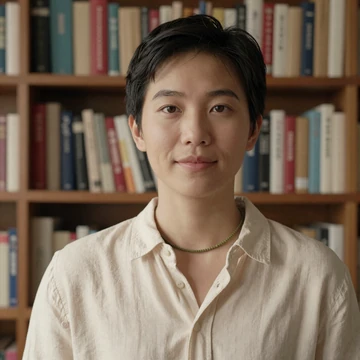
Ash, a nonbinary bipolar community member, smiling by a sunlit bookshelf

Ash, 27

Cyclothymia · Oakland, CA

Librarian, poetry open-mic regular, cat parent. Recently diagnosed and learning the rhythm. Looking for a slow, honest match.

  • Bookish
  • Gentle
  • Slow-to-commit

Read longer stories from bipolar couples who met here →

Questions & answers

Bipolar dating questions

The questions we hear most from members joining a bipolar dating site for the first time.

  • Can people with bipolar disorder have healthy long-term relationships?

    Yes. Research suggests that with effective treatment and management, bipolar disorder has neutral or even positive effects on many relationships - contributing empathy, creativity, and emotional depth as strengths. The predictors of a healthy long-term relationship are treatment adherence, shared routines (especially sleep), proactive communication about mood states, and a partner who treats the diagnosis as information rather than a problem to fix.

  • When should I disclose bipolar disorder to someone I am dating?

    There is no single right moment, but most of our members disclose somewhere between date three and the first overnight - early enough that a partner is not blindsided, late enough that you are not leading with a diagnosis. Keep the first disclosure short: the type of bipolar you have, the fact that you are in treatment, and one sentence about what helps. Detail can come later, as trust grows.

  • Why does a new relationship sometimes trigger a manic episode?

    UCLA psychiatry professor Dr. David Miklowitz has noted that new romance - with its late nights, irregular sleep, and emotional intensity - can itself trigger manic episodes in some people with bipolar disorder. The culprits are usually sleep loss and schedule disruption, not the relationship itself. A slower pace, a shared bedtime, and protected routines during the honeymoon phase are simple ways to reduce the risk without losing the magic.

  • Is dating a bipolar man or woman different from dating anyone else?

    Bipolar is one thread in a whole person, not a personality type. What differs is the infrastructure: predictable routines matter more, sleep is medical not optional, disclosure conversations happen earlier, and both partners benefit from understanding the specific type of bipolar involved. The emotional work - honesty, patience, repair - is the same work every good relationship does.

  • What is the 7-7-7 rule and why does it help bipolar couples?

    The 7-7-7 maintenance rule is a relationship rhythm: a date every seven days, an overnight getaway every seven weeks, and a longer trip every seven months or once a year. It has been cited as especially beneficial for bipolar couples because its predictability supports mood stability, while still building in novelty and shared experience. Our partner expectations guide walks through the full rule alongside the 3-3-3 and 3-6-9 frameworks.

  • Is easy dating free for bipolar members?

    Yes. Profile creation, browsing, messaging, verification, and all safety tools are free forever with no credit card required. Optional premium verification badges exist for members who want an extra trust signal, but they are not needed to meet anyone. Pricing transparency lives on our FAQ page.

  • What if I am recently diagnosed and still figuring out treatment?

    You are welcome here. Many members join during or right after diagnosis - some stable for years, some still titrating medication. The community guidance we suggest is simple: date at a pace that respects your current bandwidth, be honest about where you are, and give yourself room to build steady ground before merging lives. There is no ideal version of you that has to exist first.

Bipolar dating, without the stigma

Join a community that sees stability, creativity, and love as the same story.

Free forever · No credit card · Delete your account anytime